Development management is often misunderstood as simple project oversight—someone who shows up to construction meetings, reviews invoices, and ensures contractors stay on schedule. But in reality, it's far more strategic than that.
At its core, development management is the connective tissue between vision and execution. It's the discipline that transforms a concept on paper into a functioning asset—one that meets budget, timeline, and quality expectations while navigating the inevitable challenges that arise along the way.
Why Development Projects Fail Without Structured Management
The most common failure mode in real estate development isn't a lack of capital or poor design—it's a breakdown in communication and accountability. When stakeholders aren't aligned, when scope creep isn't managed, when change orders pile up without clear justification, projects can spiral out of control quickly.
A strong development manager acts as the owner's advocate—ensuring that every decision is made with clarity, every dollar is accounted for, and every stakeholder understands their role and responsibility.
The Core Pillars of Effective Development Management
1. Clear Scope Definition and Control
Before breaking ground, a development manager ensures the project scope is crystal clear. This means detailed drawings, firm budgets, and realistic timelines. Scope creep is the enemy of profitability, and managing it requires discipline from day one.
2. Stakeholder Communication and Alignment
Every project involves multiple parties—owners, architects, engineers, contractors, municipalities, and lenders. A development manager orchestrates that complexity, ensuring information flows seamlessly and decisions are made efficiently.
3. Budget Oversight and Cost Control
Tracking costs in real-time, reviewing change orders critically, and forecasting cash flow needs are non-negotiable. The best development managers anticipate budget pressures before they become crises.
4. Risk Mitigation and Problem-Solving
No project goes perfectly. Weather delays, supply chain issues, design conflicts—these are inevitable. What separates successful projects from failed ones is how quickly and decisively problems are identified and resolved.
The Halvey Inc. Approach: Strategic Leadership, Not Just Oversight
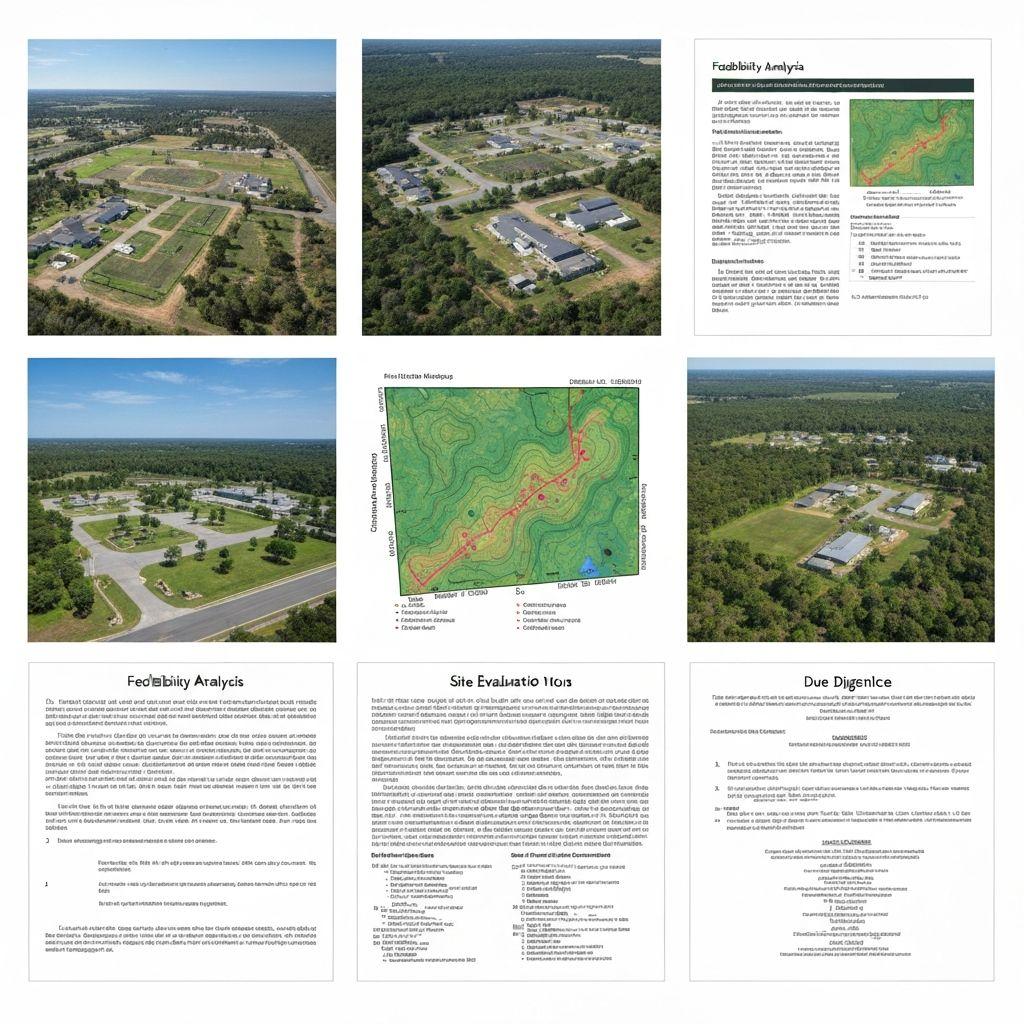
At Halvey Inc., we don't just manage projects—we lead them. That means being involved from feasibility and entitlement all the way through construction completion and certificate of occupancy. It means asking hard questions early, maintaining rigorous documentation, and never allowing assumptions to replace accountability.
Every project we touch reflects our commitment to clarity, communication, and control. Because at the end of the day, successful development isn't about luck—it's about discipline.
About Erik S. Halverson
Founder of Halvey Inc., Erik brings over 20 years of experience in real estate development, entitlement strategy, and owner's representation across Colorado and the Mountain West. His approach combines strategic thinking, operational discipline, and a commitment to protecting owner interests throughout the development lifecycle.
Learn More About Erik